
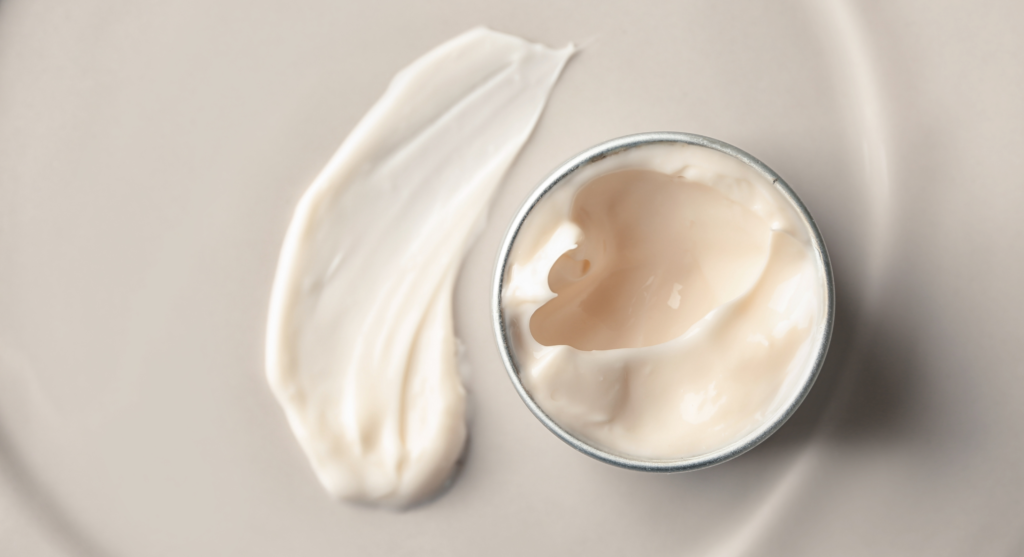

Skinimalism on the Rise Among Elder Millennials and Gen X
A growing number of elder Millennials and Gen X consumers are shifting toward “skinimalism,” favoring uncomplicated routines, multitasking products, and a focus on skin health over heavy layering. The trend reflects a desire for practicality, time savings, and a more sustainable approach to everyday skincare.

Are Exosomes the Next Big Thing in Skincare?
NBC News examines the growing buzz around exosome-based skincare, exploring what these cell-derived vesicles are, the science behind their regenerative promise, and why dermatologists remain divided on safety, regulation, and real-world effectiveness.

Do These Fall Skincare Trends Live Up to the Hype?
The Fall 2025 skincare landscape is set to feature barrier-strengthening ingredients, biotech innovations, and streamlined routines focused on maintaining long-term skin health. The trend forecast also points toward more personalized products and treatments tailored to individual concerns and lifestyle needs.
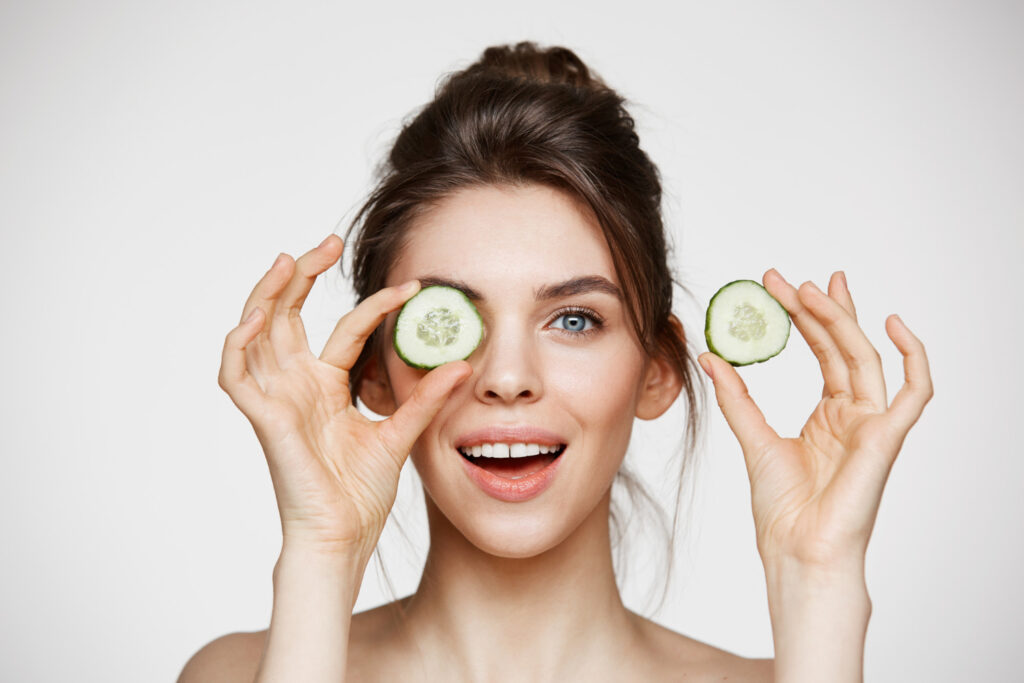
The Best Skincare for Rosacea to Calm Redness and Soothe Irritation
It’s normal for skin to flush on occasion—after a long run, spending time outside on a chilly (or hot!) day, or when someone cute tells you’re cute, too. But if your face is red, inflamed, and irritated more often than not, there’s a chance you have rosacea. “Rosacea is a chronic inflammatory condition of the face that primarily affects the cheeks, nose, chin, and eyelids,” explains Morgan Rabach, MD, a board-certified dermatologist in New York, NY.

Are skin care products more effective when applied at night?
From magazines to social media, there is a lot of advice around skin care — and some of it is misleading. TODAY contributor Sarah Eggenberger stops by Studio 1A to break down surprising myths and facts around taking care of your skin.

Top Dermatologists to Share Their Skin-Care Routine
Discovering the best skin care routine is a never-ending task. It seems that whenever you find one that works, there’s suddenly a new concern to tackle. Even those with years of experience will share that the journey to clear and glowing skin was not without a bit of trial and error…

Can Skincare Help Regulate Our Emotional State?
The article unveils a groundbreaking skincare brand rooted in neuroscience and emotional well-being. By harnessing the connection between emotions and skin health, the brand aims to revolutionize skincare. Through scientific collaboration and innovative formulations, it seeks to promote both skin vitality and emotional balance.
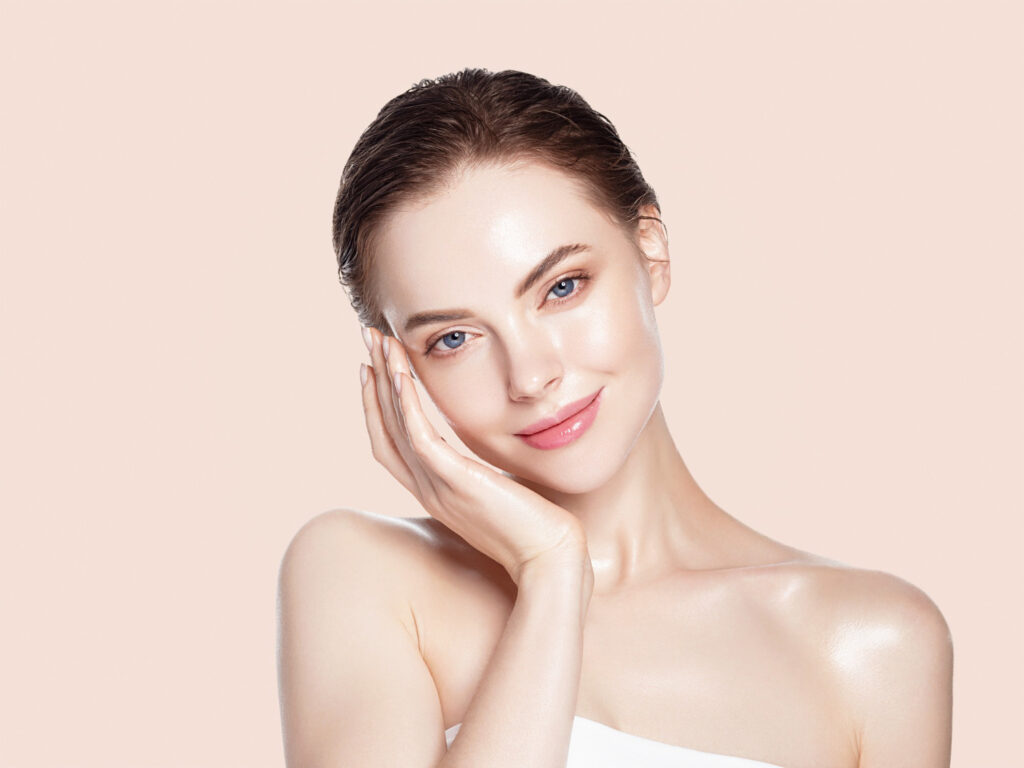
The unexpected ways your skin impacts your health and longevity
IN WINTER, the backs of your hands may become dry, red and cracked. Maybe you find yourself slathering on moisturiser. If you don’t, the itching and pain can become a major distraction.
You might think that is as far as it goes: cracked skin is annoying and uncomfortable, but not serious in the same way as, say, high blood pressure.

Minerals Are The Next Big Thing In Skincare – Here’s Why
The next big thing in skincare isn’t nearly as futuristic as you might expect. Hailing from the earth – rocks, soil and water, in fact – minerals are the ingredients du jour, with experts predicting the trend will explode in the coming year. “Post-pandemic, we’ve seen an influx of preventative health measures and a 360-degree focus on health,” says cosmetic scientist Nausheen Qureshi.
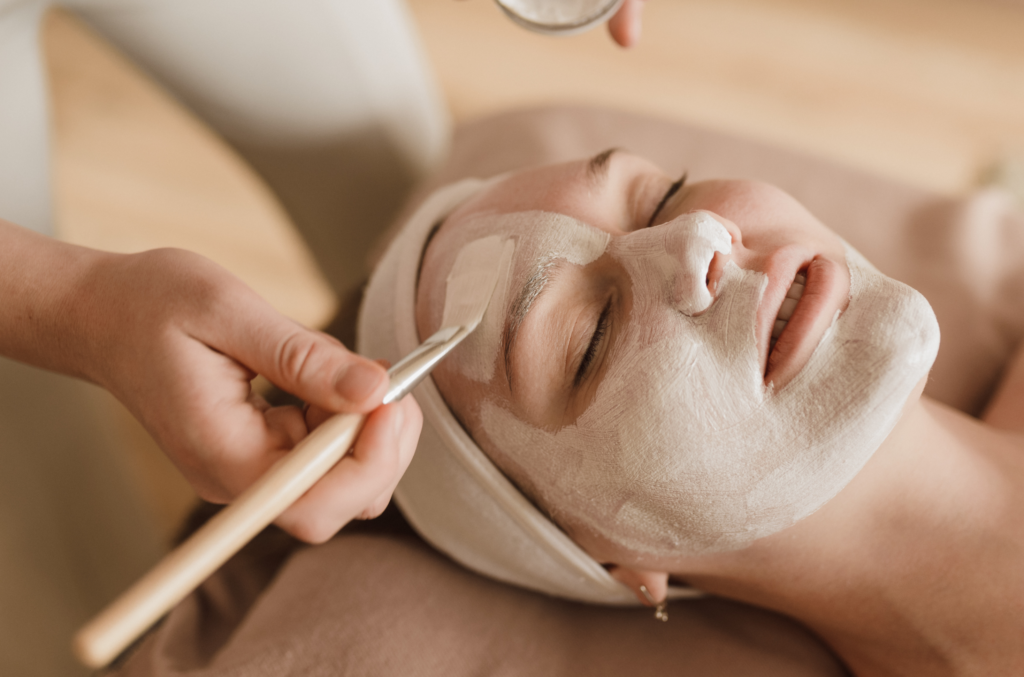
The Anti-Ageing Benefits of Dead Sea Minerals in Skincare
The Dead Sea is known for its healing properties, and its minerals are no exception. Dead Sea minerals have been used for centuries to treat skin conditions, and more recently, to combat the signs of ageing. Not only do these minerals help protect and nourish the skin, but they can also help stimulate the production of collagen, which helps reduce wrinkles and fine lines. In this blog post, we will explore the anti-ageing benefits of Dead Sea Minerals in skincare, and how you can incorporate them into your beauty routine.
Benefits of Mineral Oil for Skin
Think of mineral oil as creating a barrier between your skin and the outside world, protecting it from outside elements like wind and pollution, says Nussbaum. It’s also why it’s been shown in studies to reduce trans-epidermal water loss (TEWL), or the loss of water through the skin. Due to its naturally occlusive, barrier-creating tendencies, “It is best for people with dry skin as it creates a protective barrier, says Frank. And this protective barrier provides hydration and locks in moisture.
What can you absorb through your skin?
While some skincare ingredients just sit on the topmost layer of the skin, others can penetrate more deeply – potentially delivering more benefits, but also more risks.

Canadian Dermatologists Share the Skincare Trends They Wish Would End
When it comes to skincare, the internet is a double-edged sword. Social media is full of hacks, product recommendations and so-called experts that promise radiant skin if you follow their 12-step routines, which could include anything from citrus facials to mail-order chemical peels.

Here’s what dermatologists are saying about your skin care routine: Keep it simple
There always seems to be someone on TikTok, YouTube or Instagram showing you a multistep skincare routine they swear by. They might use expensive products like snail mucin or red-light therapy masks that allegedly hydrate your skin or help reduce fine lines.

Beyond clinical: uncovering growth frontiers in facial skincare
The quest for effectiveness is at the heart of current facial skincare trends. This dynamic is fueling the rise of so-called clinical or doctor brands, which build their strategies on the performance of their formulas and scientific credibility.